
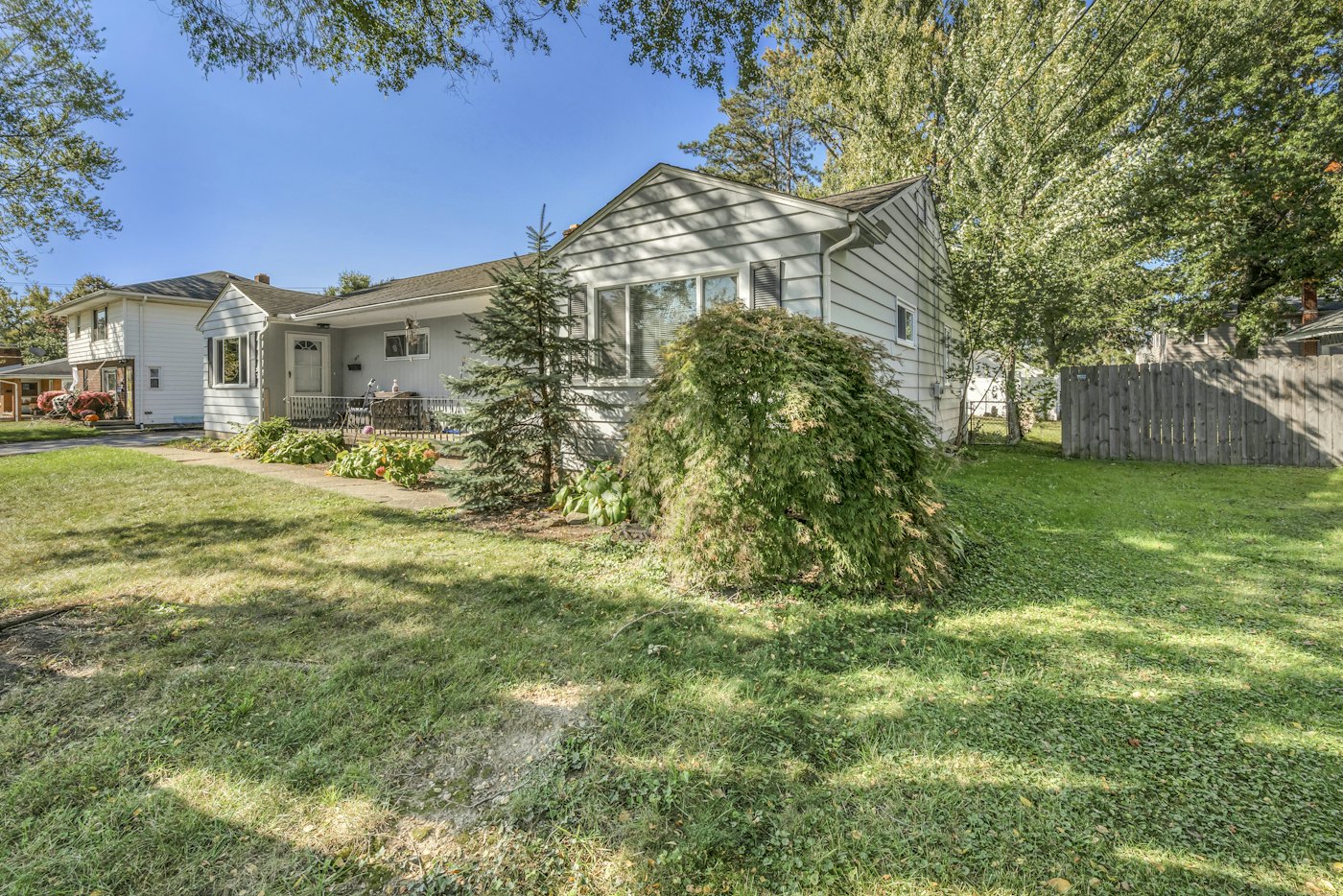
Property taxes in South Carolina depend not only on your home's value but also on how the property is used. Whether you are buying a primary home or an investment property in the Upstate, understanding the 4% and 6% assessment ratios can make a real difference in your budget.
How South Carolina Property Tax Is Calculated
In simple terms, the county starts with the property's appraised value, multiplies it by an assessment ratio to get the assessed value, then applies the local millage rate set by the county, city, school district and other taxing authorities.
The 4% Legal Residence Rate
An owner-occupied home that qualifies as your legal residence is generally assessed at 4%. In many cases, owner-occupied homes are also exempt from the school operating portion of the millage, which further lowers the bill.
The 6% Rate
Rental properties, second homes and other property that does not qualify as a legal residence are generally assessed at 6%. Because the ratio is higher and the school operating exemption typically does not apply, taxes on an investment property can be noticeably higher than on a similar owner-occupied home.
What This Means for Investors
- Use the 6% tax amount when estimating cash flow on a rental, not the seller's current bill if they live in the home.
- Ask the county auditor or assessor for an estimate based on non-owner-occupied use.
- Factor taxes into your cap rate and cash-on-cash return. Our Investment Properties page explains these numbers.
Moving Into Your New Home? Apply for 4%
The 4% rate is not automatic. New owners usually need to apply with their county assessor, typically by the deadline for the tax year, and may need documents such as a South Carolina driver's license, vehicle registration and voter registration showing the property address. Check with your county for the exact requirements and deadlines.
The Bottom Line
When you compare homes, ask how the current taxes were calculated. A low tax bill on a seller's primary residence may change after you buy if the property will be a rental.
Considering an investment property? Reach out and we can review the numbers together.
This article is general information, not tax advice. Tax laws and local rates change, so confirm details with your county and a tax professional.

Join The Discussion